
 View on Asset Store (opens in new tab)
Package details
- Latest version
- 6.6.0
- Last updated
- First released
- Unity version
- 6000.0.68 or later
- Package size
- 158 KB
- Files
- 109
- Favorites
- 18
- Views in the past week
- 10
Price tracking
- Last checked
- Tracked since
- Lowest recorded
- Free on
Keywords
Flexy.AssetRefs
Load assets on demand without Addressables or Bundles Almost zero editor setup! Fast, extendable, production-proven and Open Source!
Affiliate link · Purchases support this site
Price history
Last 6 months
USDAsset preview
1 / 8
Flexy.AssetRefs screenshot 1
About this asset
Docs and Use Cases | Repo | Unity Discussions
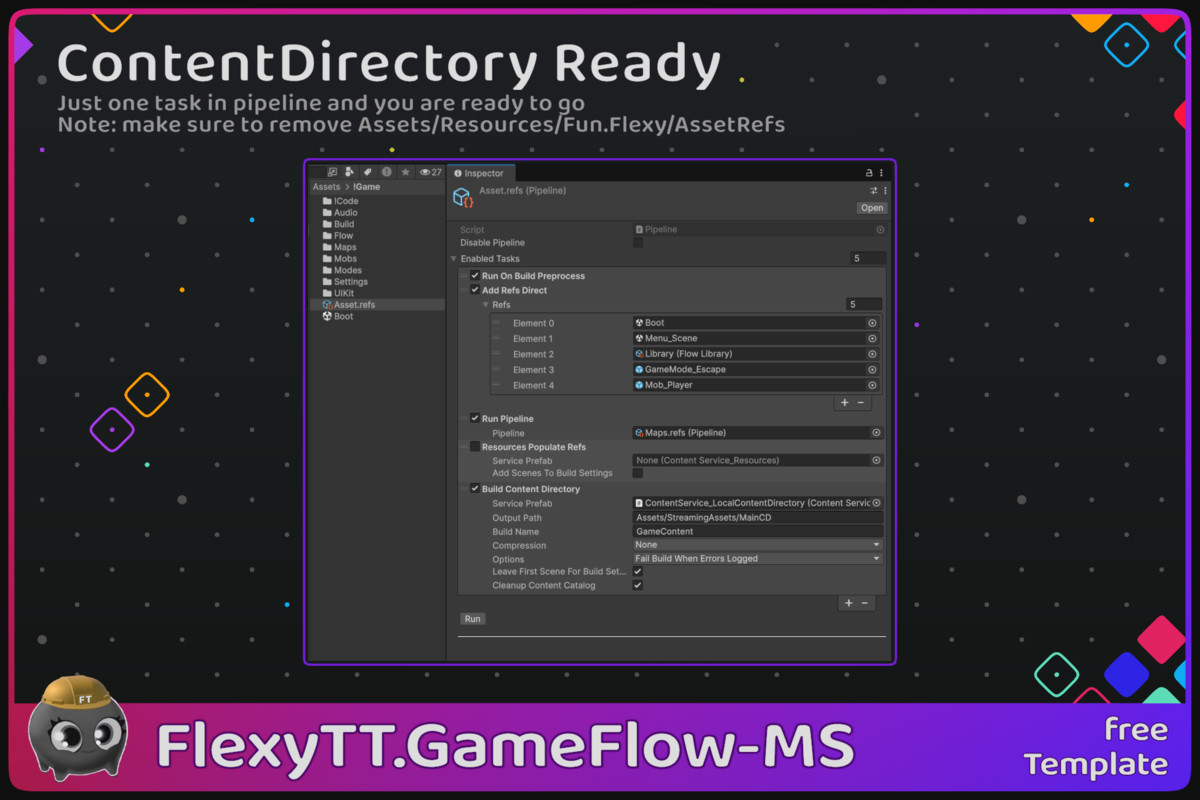
Check Free Template try and test
Want to load assets ondemand but:
- don't want to mess around with Addressables
- don't want to use any type of Bundles
- don't want to manage addressable assets separately
- don't want any big system yet (on early stage of project)
Flexy.AssetRefs will help you to Load assets on demand from prototyping stage and add bundles complexity only when game grows up! or Never :)
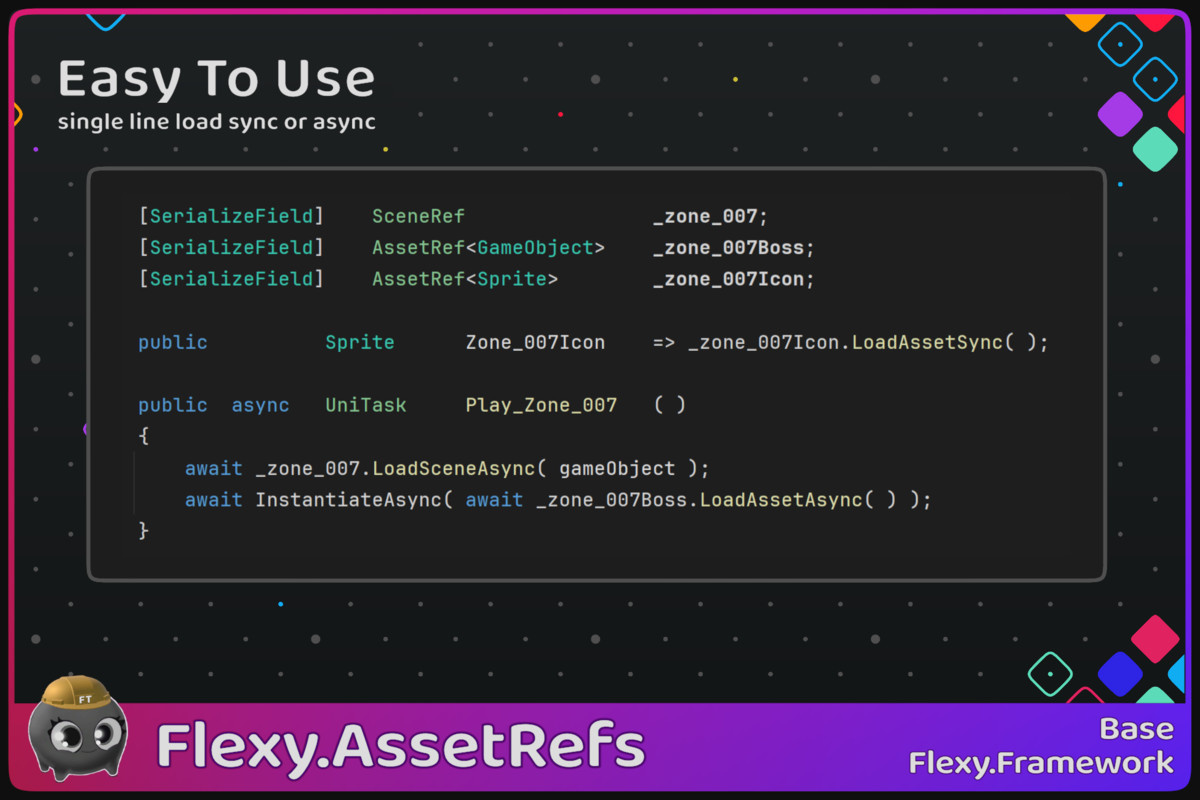
Flexy.AssetRefs provides an efficient way to indirectly reference assets and scenes, offering a cleaner alternative to Unity Addressables. It focuses solely on asset referencing, allowing full control over how assets are loaded at runtime without enforcing specific bundling or loading methods.
Designed for flexibility, Flexy.AssetRefs is easy to use from the prototyping stage. It is well-suited for small projects where Addressables can create more issues than they solve and easily expand to more complex systems later.
Key Strengths:
- It is Open Source :)
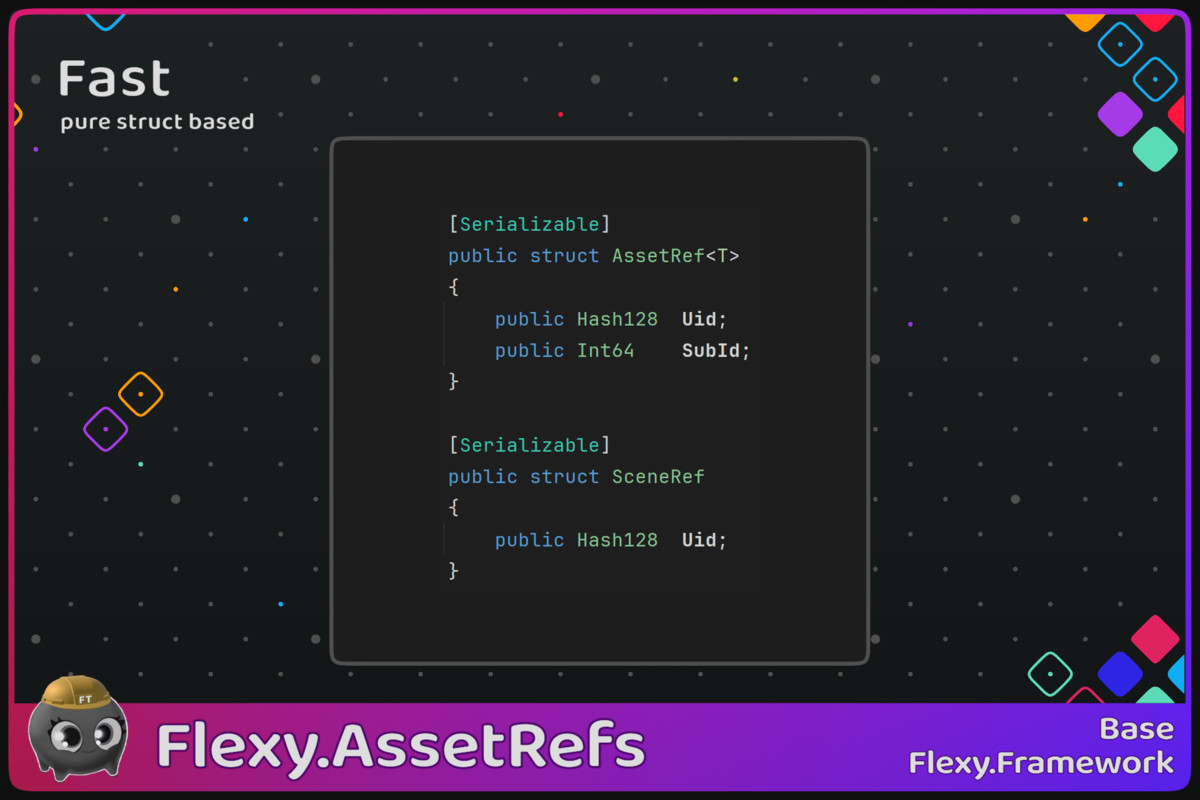
- Fast: pure struct based
- ECS-Compatible: because it is struct
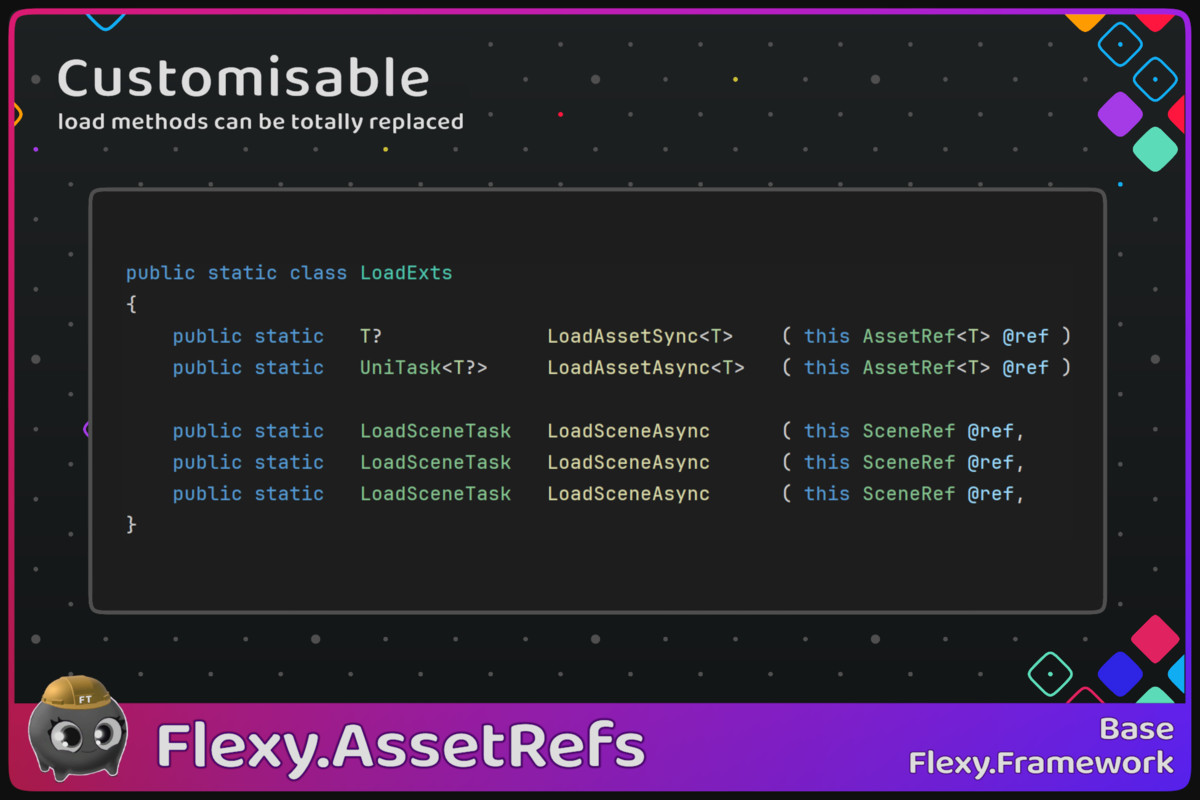
- Customisable: load methods can be totally replaced
- GDD Friendly: store asset references directly inside GameDesignData
- Asset Loader can be totally replaced (Bundles, Addressables, Custom, ...)
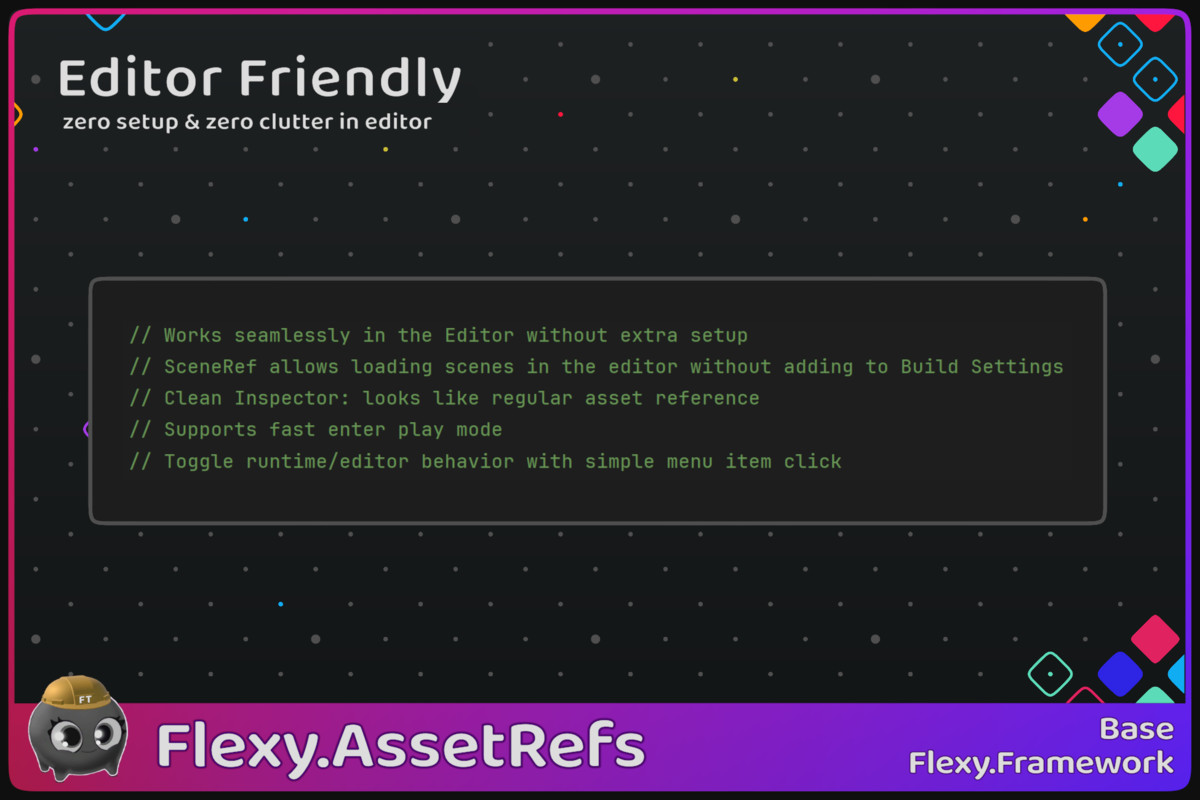
- Editor-Friendly: works seamlessly in the Editor without extra setup
- SceneRef: allows loading scenes in the editor without adding to Build Settings
- Toggle runtime/editor behavior with simple menu item click
- Clean Inspector: looks like regular asset reference
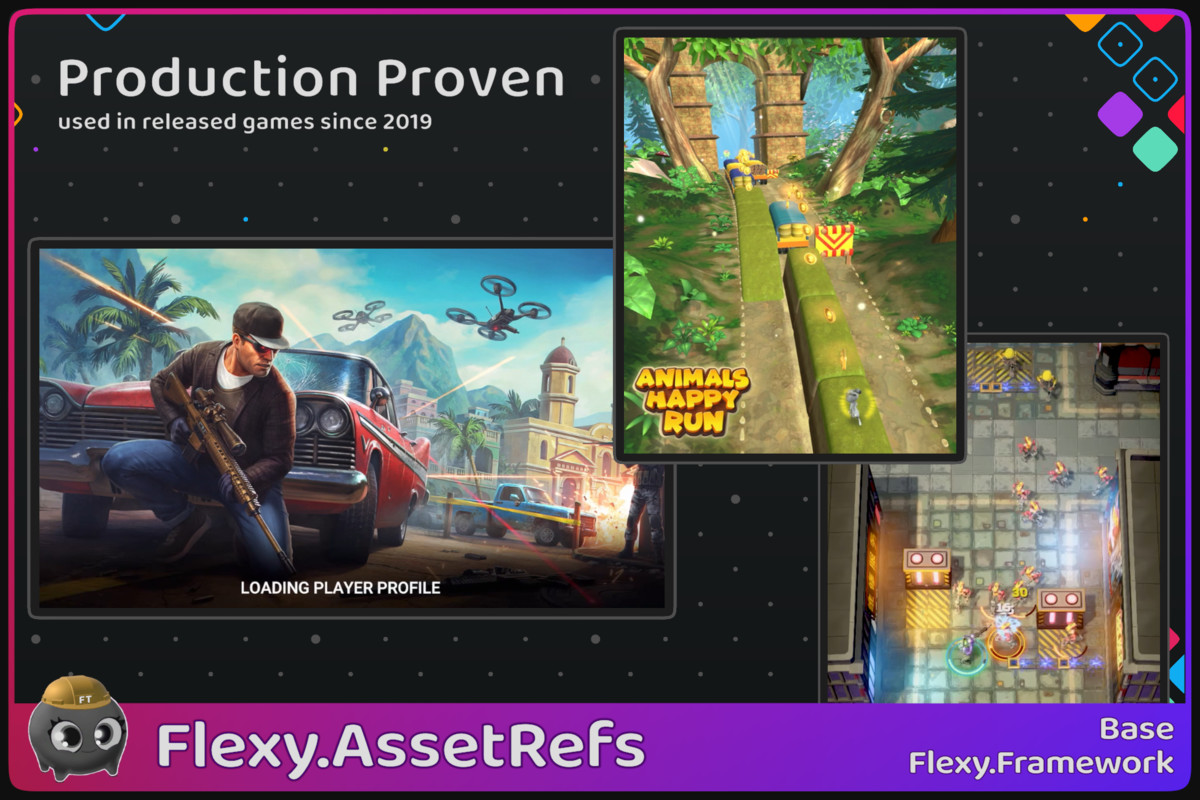
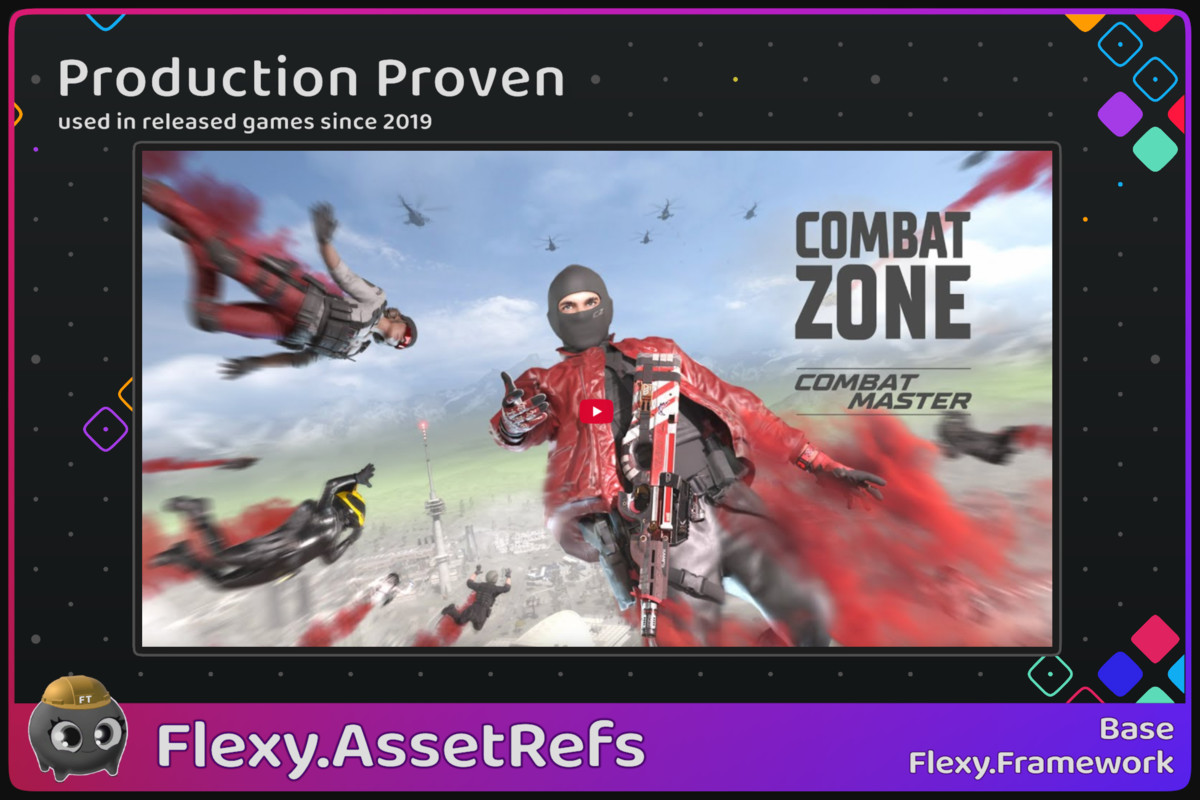
- Production-Proven: used in released games since 2019
- Minimal Inspector Clutter:
- Looks like regular reference in inspector
- Does not clutter GO inspector
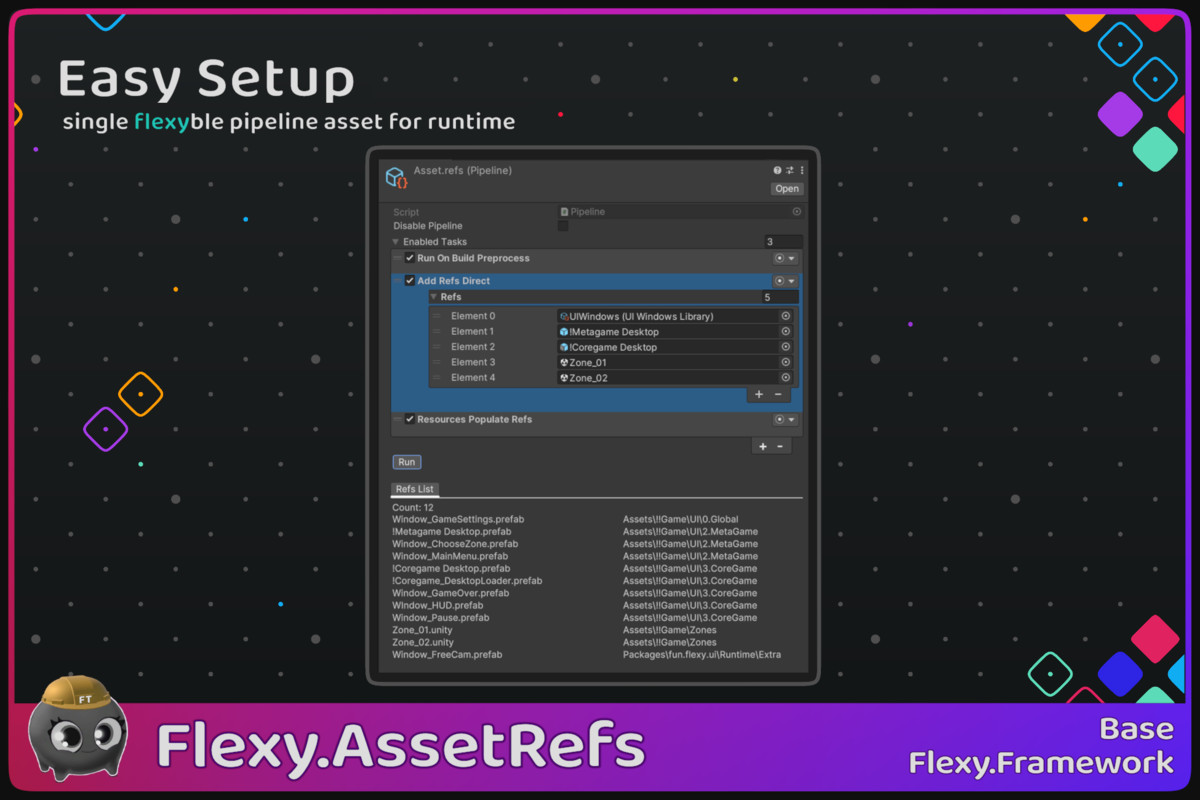
- Only one simple file in project to collect necessary data for runtime
Customisable Loading flow:
- Resources - store and load all content on demand using Unity Resources API
- ContentDIrectory (Unity 6.6) - build directory and load from it (ready to use BuildContentDirectory pipeline task for this)
- Any Custom solution like Addresables, Flexy.Bundles or home made solution
See Docs and Use Cases for usage samples
Check Free Template try and test
Flexy.AssetRefs is:
- Modular and Simple to use: we separate the reference system from complex asset bundles bundling and downloading. Flexy.AssetRefs focuses only on asset references for on-demand loading. Flexy.Bundles adds bundles building and downloading capabilities. This modular approach avoids the complexity of a heavy solution like Addressables
- Easily Extendable: asset loading methods is C# extension methods, which means that users have flexibility to define their own loading methods with any indirections, additional checks or better knowing used loading backend
- Double Easily Extendable : asset loading done through AssetLoader instance that is backend for loading any ref and can be replaced with your own implementation. It is only 5 virtual methods to implement
- Already Used in Games like: Sniper League, Animals Happy Run, Cyberstrike and Combat Master
- In production on platforms: iOS, Android, Windows, Linux, Mac
From the publisher's Asset Store listing.
Technical details
- Ref is struct with 2 fields: Hash128 & Int64
- C# Extensions based load methods
- AssetLoader interface is 5 virtual methods
- Sync loading
- UniTask based async loading
- Native C# Nullability annotations
- C# 10
- Fast Enter Play Mode support
Compatibility
| Unity version | Built-in | URP | HDRP | Custom |
|---|---|---|---|---|
| 6000.0.68f1 | Compatible | Compatible | Compatible | Compatible |
As listed on the Asset Store.